Researching Bacterial Life
Exploring bacteria-host interactions to advance therapies and vaccines for better health and to learn how life works.
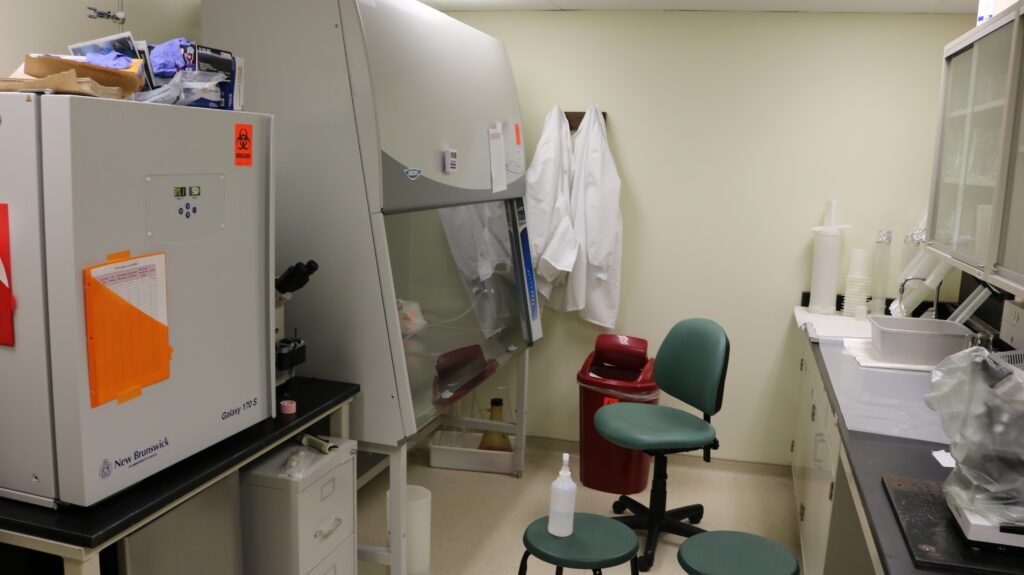
About Bacterial Research
As “germchasers” we explore bacteria-host interactions to increase understanding of life that can inform the development of therapies and vaccines. We work in the fields of bacteriology and cellular microbiology.
Tools of Bacteriology and Cellular Microbiology

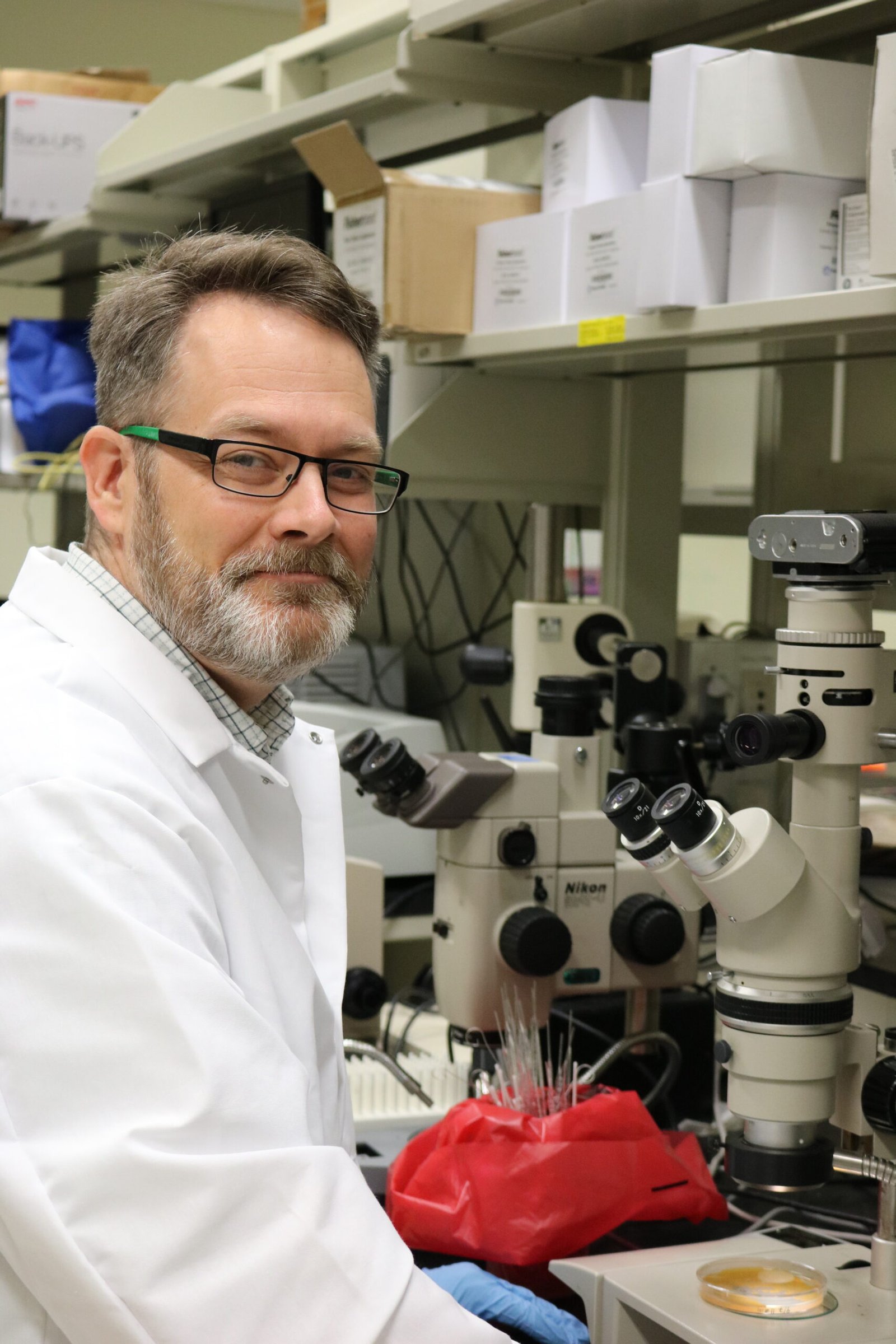
We use microscopes to look at human cells grown in plastic flasks plus or minus infection with bacteria.
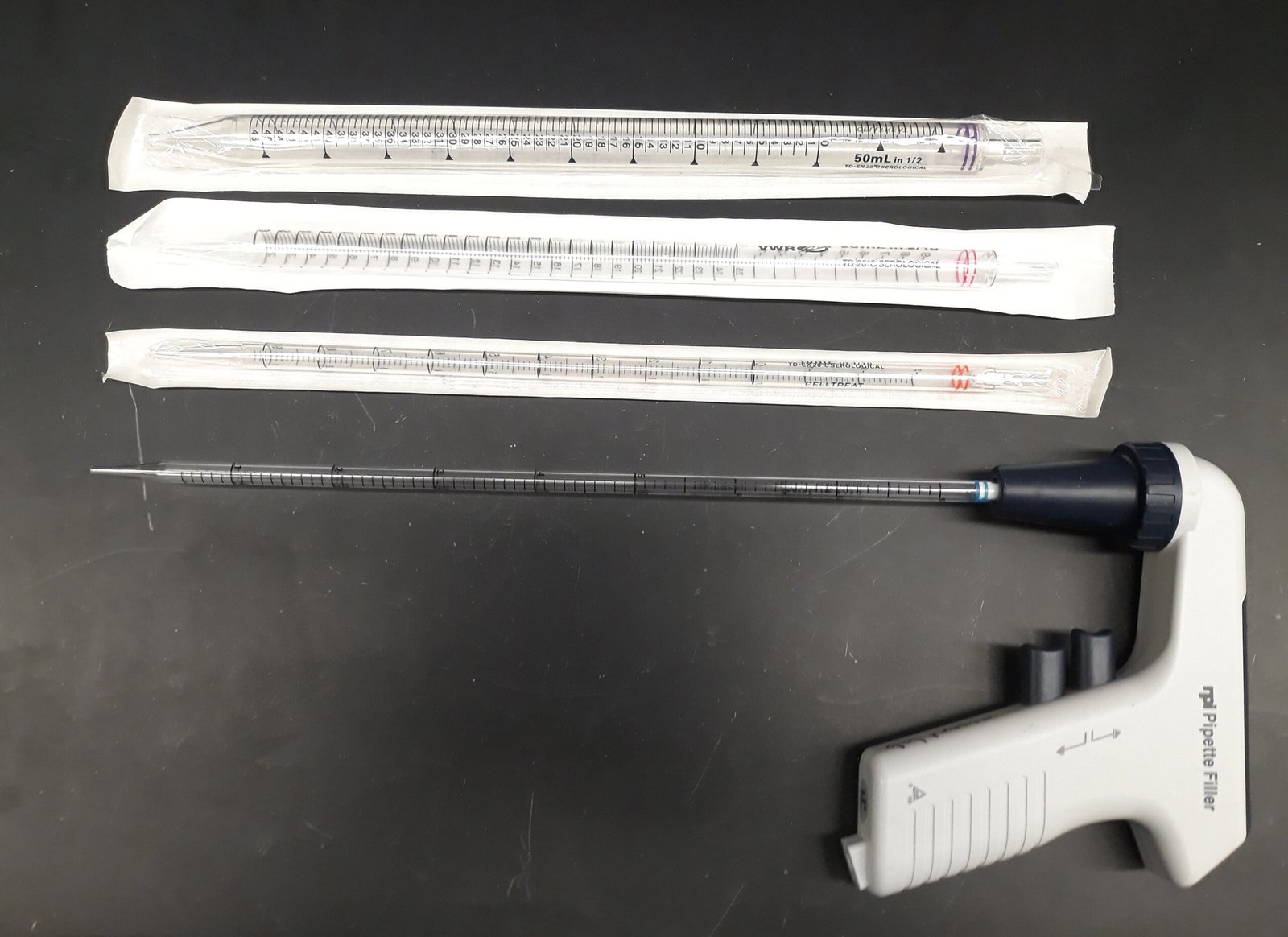
We use large pipettes to manipulate volumes of liquid ranging from 0.5 to 50 milliliters.
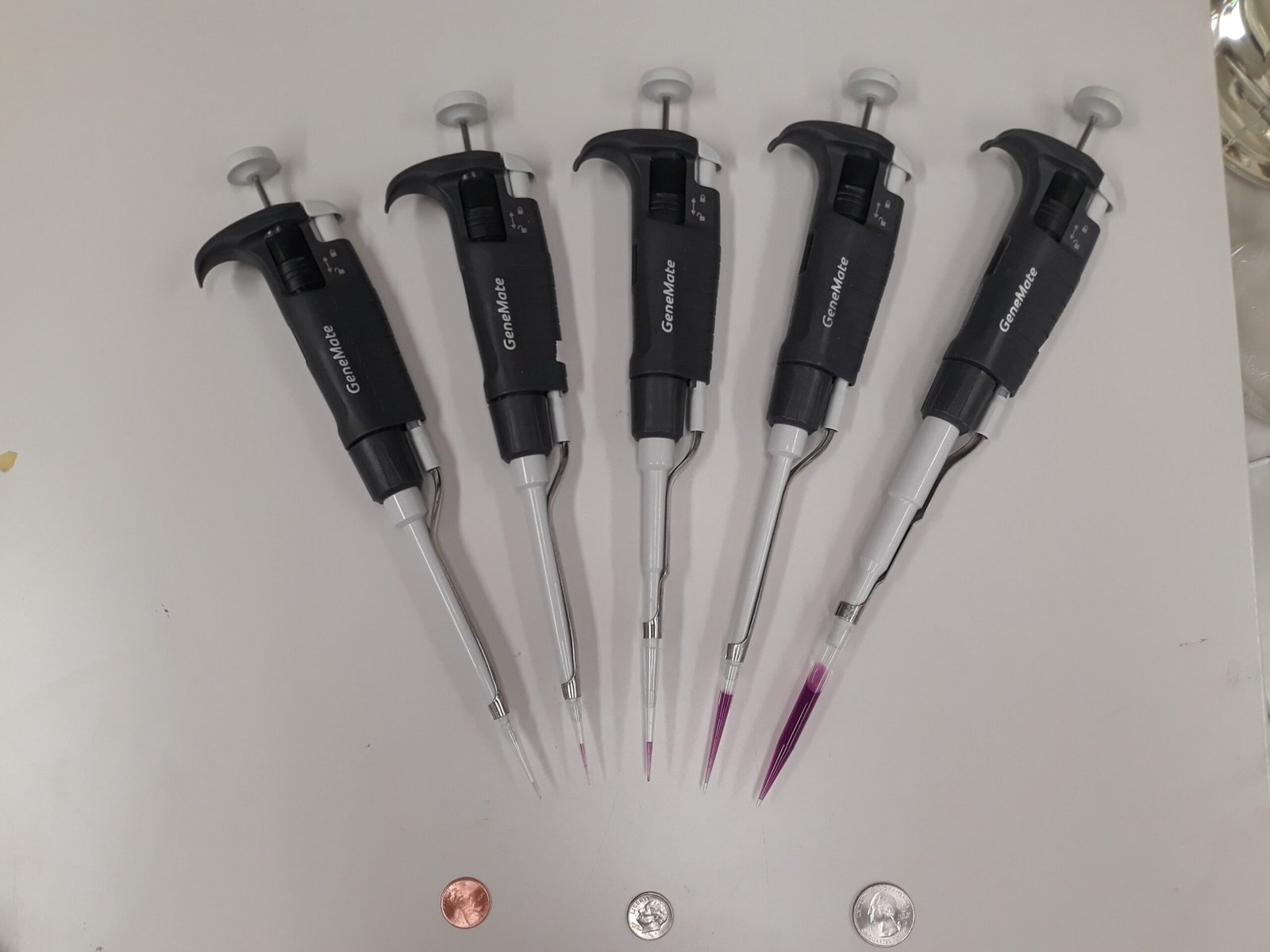
We use small volume pipettes to conduct microbiology, molecular and cell biology experiments in the lab. These help manipulate liquid volumes between 0.5 and 1000 microliters.
Bacteria-Host Interaction Research
Immune Evasion Studies
Our lab focuses on understanding the complex interactions between bacteria and their hosts. Many microbes have learned how to EVADE the host immune system. We study tricks used by Neisseria gonorrhoeae to avoid being killed by an innate immune defense system called the complement cascade. Gaining more knowledge of evasion mechanisms is crucial for future therapeutic advancements.
Natural animal models
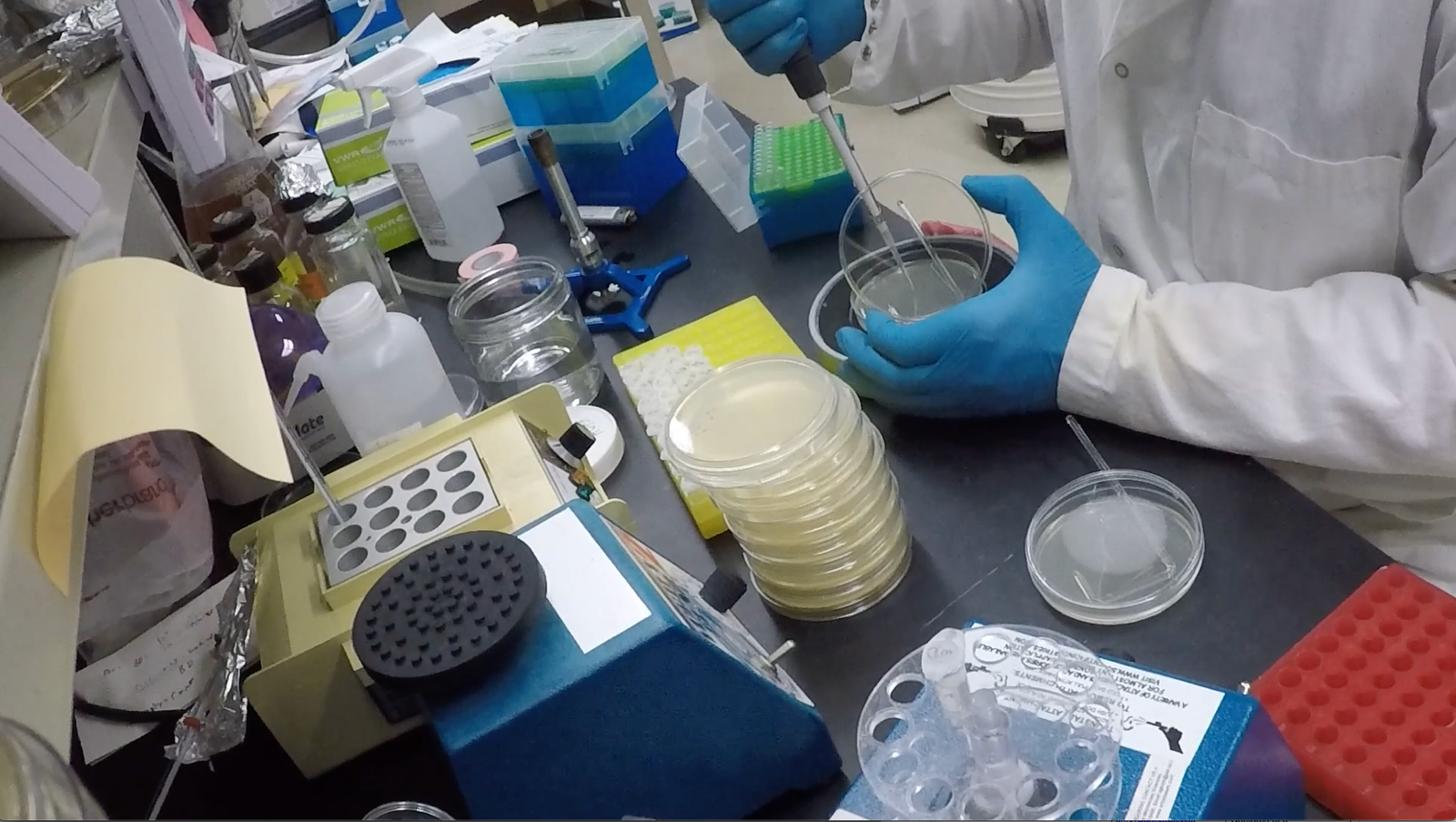
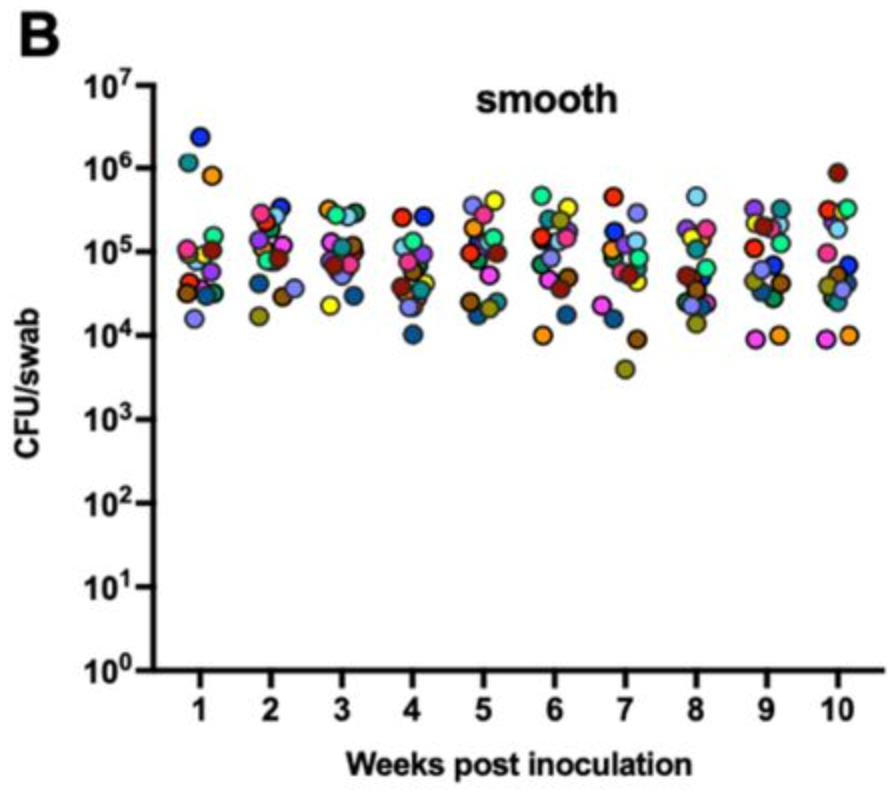
One challenge of studying diseases caused by Neisseria gonorrhoea is that it is a human-specific pathogen and does not naturally infect laboratory animals. Our lab has been studying Neisseria species in their native hosts. We use animal-derived Neisseria species as surrogates to study shared and conserved mechanisms used by Neisseria gonorrhoeae to infect humans.
Colony Morphology
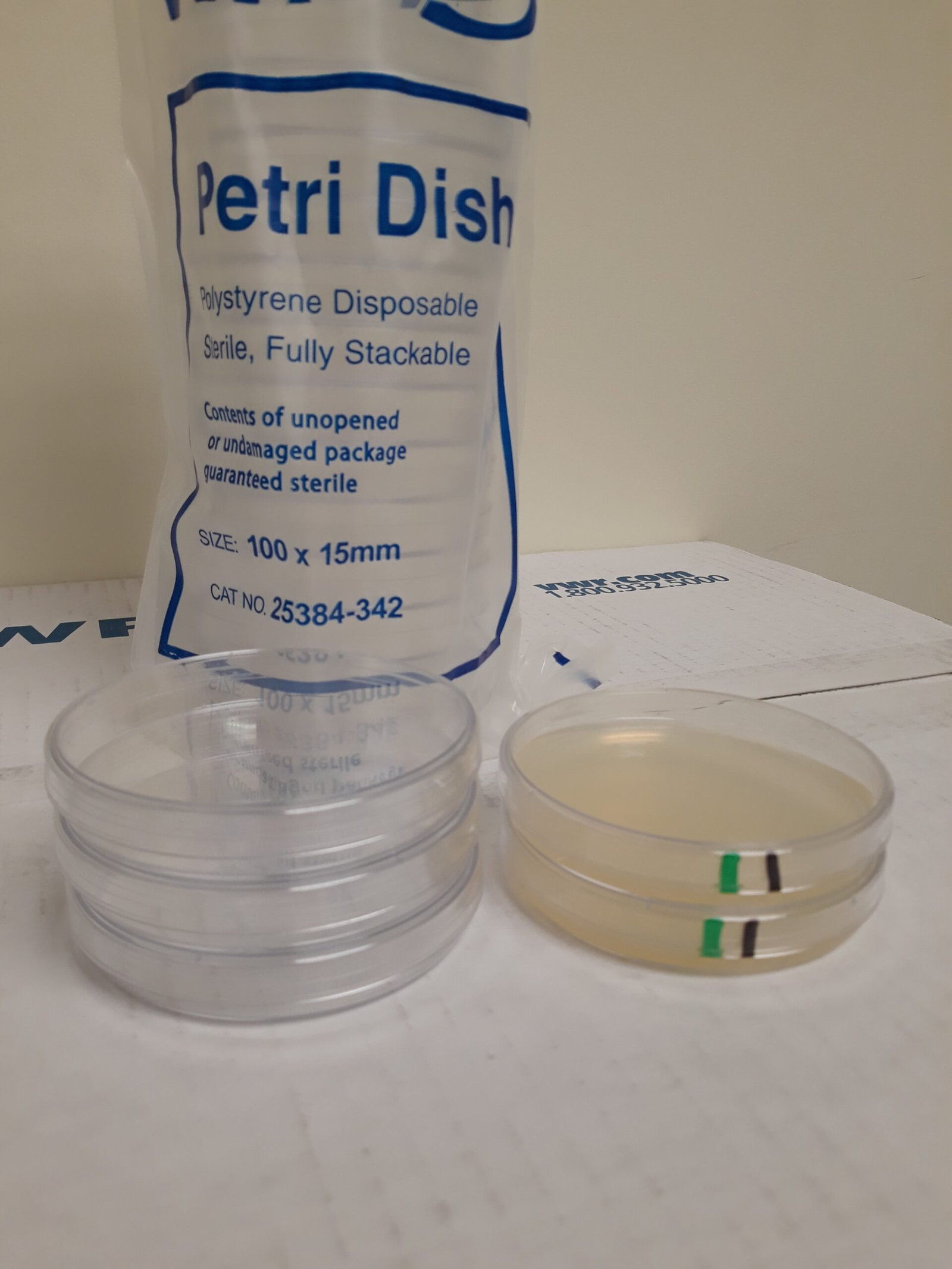
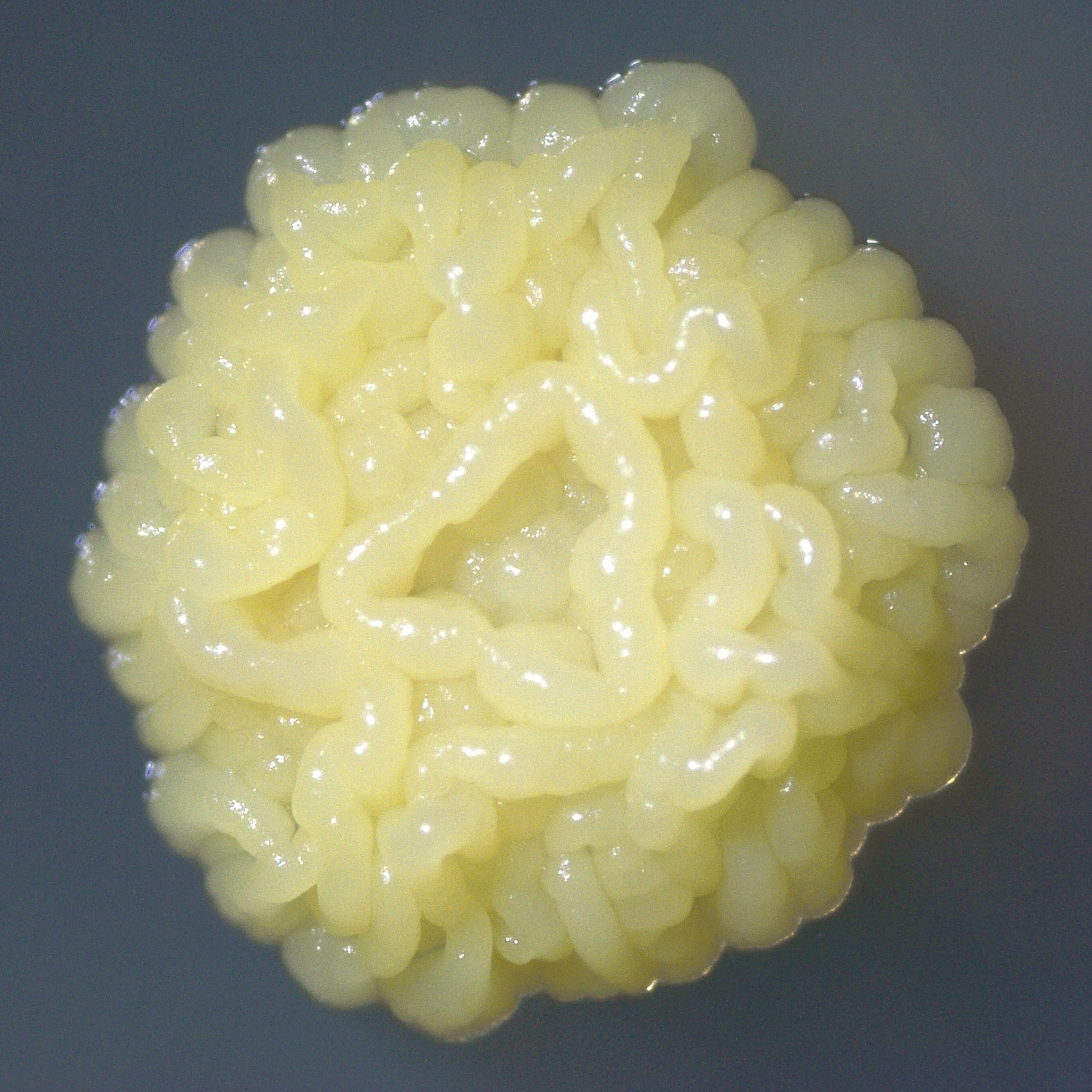
We typically grow bacteria in Petri dishes. As bacteria replicate they form piles of bacterial cells called COLONIES. Colonies can be useful tools for studying many biological processes including antibiotic resistance and biofilm formation. We enjoy using stereo microscopes to monitor variations in colony morphology. Microbial colonies can be quite beautiful.
Become a germchaser!
Explore bacteria-host interactions with us.
Join us in advancing life science research. Please contact us to see if we have any openings.